
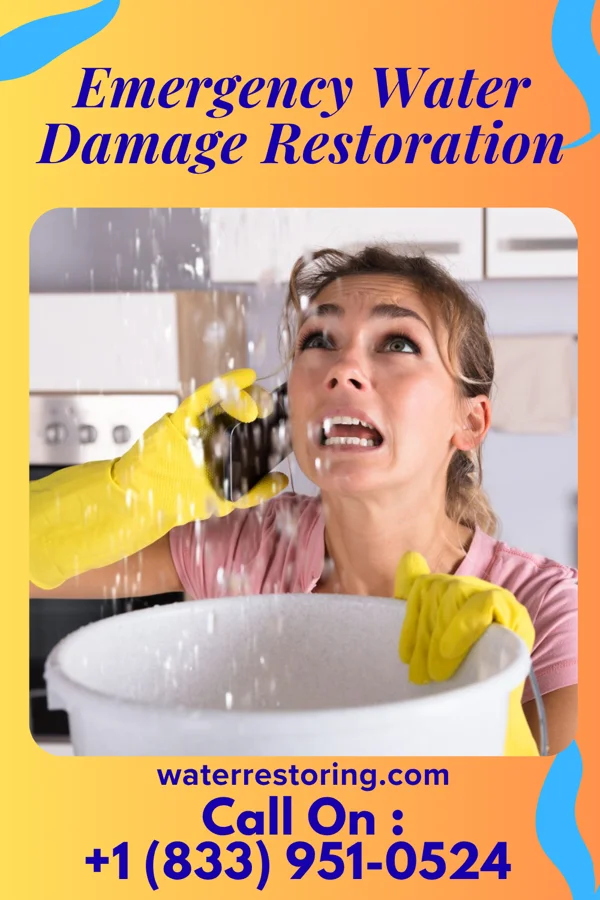
Why False Pass Water Emergencies Escalate Fast
Most water damage emergencies in False Pass start with severe weather flooding and plumbing failures. A close second is appliance malfunctions and roof leaks. From the second water touches the property, every minute changes what gets saved and what gets ripped out.
False Pass experiences frequent heavy rainfall and storm surges due to its coastal location, increasing the risk of flooding. The region's cold climate can also lead to frozen pipes and subsequent bursting, causing sudden water damage.
Most emergency water damage restoration calls in False Pass come from severe weather flooding and plumbing failures. Running a close second is appliance malfunctions and roof leaks. Category 1 and 2 water damage most common in residential emergencies Local mold risk: Mold can begin growing within 24-48 hours in False Pass's climate. Due to the high humidity and frequent damp conditions, prompt water damage restoration is critical to prevent mold growth and structural damage.
For public guidance on the health effects of mold after prolonged water exposure, see the EPA mold and health page.