
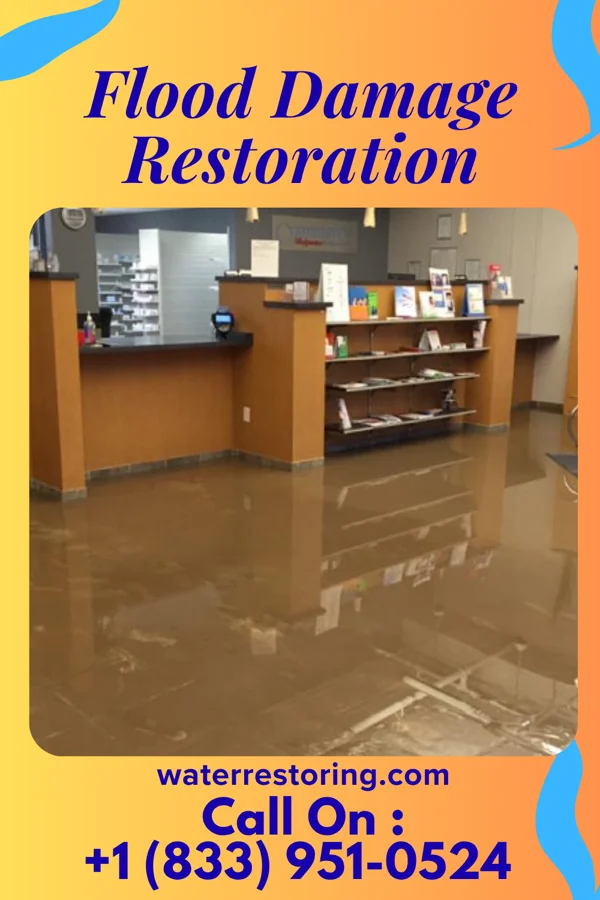
How False Pass Neighborhoods Flood
Every neighborhood in False Pass has a different water damage risk profile. The one that shows up on most restoration calls is False Pass, Alaska is prone to flooding due to its coastal location and the potential for storm surges from the Pacific Ocean. The community is also at risk from heavy rainfall and snowmelt runoff, which can overwhelm local drainage systems and lead to significant water intrusion in homes and buildings..
The climate in False Pass is characterized by cool, wet summers and mild winters, with frequent storms bringing heavy precipitation. This contributes to seasonal flooding, particularly during late spring and early fall when rainfall is most intense.
Water damage in False Pass follows a few local patterns. False Pass, Alaska is prone to flooding due to its coastal location and the potential for storm surges from the Pacific Ocean. The community is also at risk from heavy rainfall and snowmelt runoff, which can overwhelm local drainage systems and lead to significant water intrusion in homes and buildings. accounts for the bulk of our calls. The climate in False Pass is characterized by cool, wet summers and mild winters, with frequent storms bringing heavy precipitation. This contributes to seasonal flooding, particularly during late spring and early fall when rainfall is most intense. Mold can begin to grow within 48 hours of water exposure, making rapid response critical. Our team in False Pass is trained to act quickly to prevent mold growth and long-term structural damage.
For public guidance on the health effects of mold after prolonged water exposure, see the EPA mold and health page.